
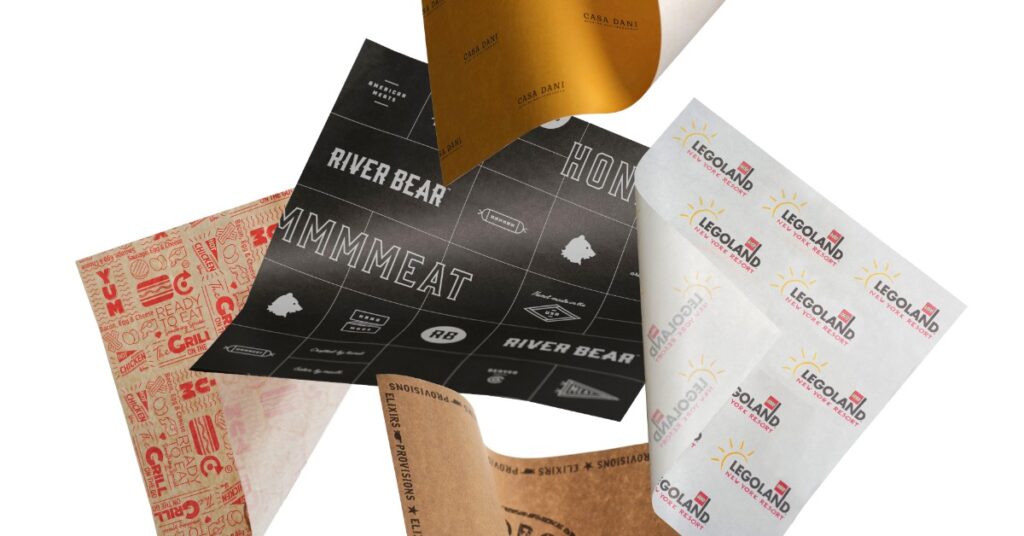
Food packaging offers businesses an opportunity to make a lasting impression before customers take their first bite. From a sandwich served at a neighborhood deli to a meal at a busy stadium, the right packaging design turns an everyday food presentation into a memorable brand experience. Branded food wrap combines practical food protection with visual appeal, giving restaurants and hospitality businesses another way to express their identity.
Designing branded food wrap that stands out requires more than placing a logo on paper. Businesses need to consider how colors, artwork, materials, and printing choices work together to create packaging that looks appealing while meeting daily food service demands.
Every successful food wrap design starts with a clear understanding of the business’s visual identity. A restaurant with a playful personality might favor bold graphics, while an upscale hospitality venue may prefer understated patterns that complement its atmosphere.
Consistency matters when selecting design elements. Using established brand colors and recognizable artwork allows businesses to connect their packaging with existing signage, menus, and promotional materials. Customers should recognize the brand without needing to search for its name.
Before developing artwork, businesses should identify which visual elements best represent their identity. A distinctive logo or signature pattern provides a strong foundation without overwhelming the finished design.
A recognizable logo deserves thoughtful placement, especially when food wrap folds around sandwiches or lines serving baskets. Repeating a logo across the paper creates multiple opportunities for customers to see the brand. This technique works particularly well for businesses that use different wrapping methods or serve foods in varying sizes.
Logo placement should account for how employees handle the paper during service. Businesses can experiment with several arrangements, including:
Each arrangement creates a different visual effect. The right choice depends on the packaging dimensions, artwork complexity, and desired presentation.
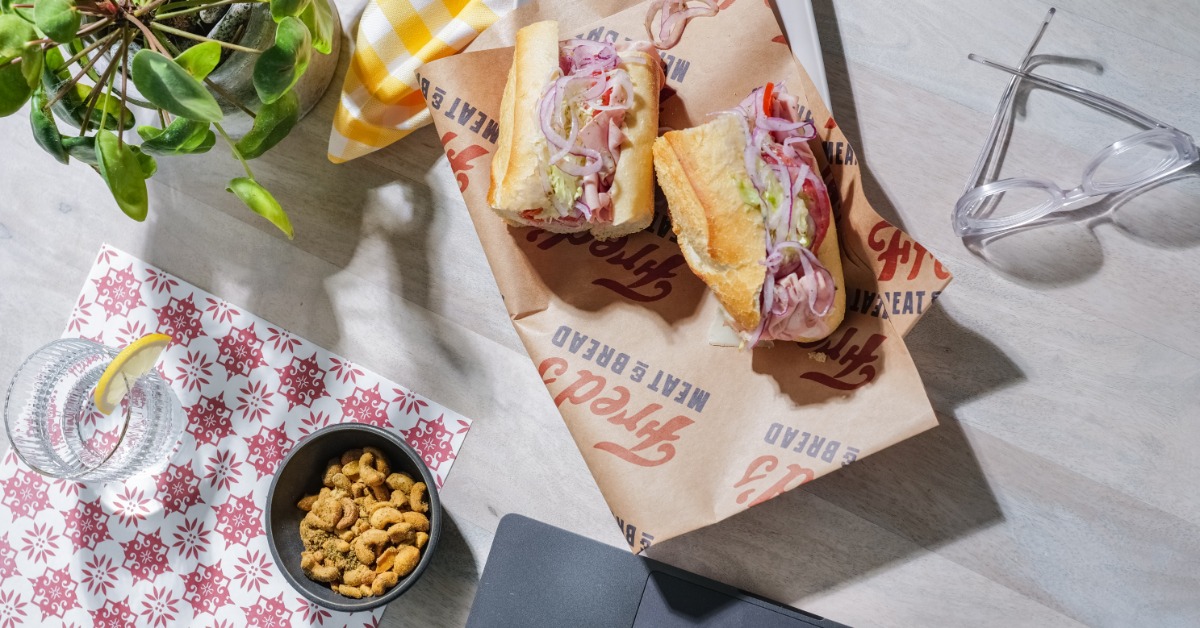
Color influences how customers perceive packaging and strengthens connections with an established brand. Bright combinations create an energetic appearance, while restrained palettes complement businesses that favor a more refined presentation.
However, effective color selection involves more than choosing attractive shades. Designers should consider contrast, readability, and how printed colors interact with the paper’s natural appearance. For example, a dark logo against a lighter background provides stronger visibility than two similar shades. Businesses should also remember that printed colors may appear different from those on a digital screen.
When evaluating custom food paper with personalized printing, purchasing teams should discuss color requirements with a printing partner like CPP. Understanding available printing options early allows businesses to develop artwork that aligns with their branding and production needs.
Patterns offer creative opportunities beyond traditional logo placement. Geometric shapes or illustrations related to a restaurant’s concept add personality without relying entirely on oversized branding.
The challenge involves balancing visual interest with clarity. An overly complicated pattern may compete with the logo, making the finished packaging feel crowded rather than distinctive. Spacing provides a useful starting point; allowing room between design elements gives each graphic enough visibility while maintaining an organized appearance.
Pattern scale also deserves attention. Small repeating graphics suit compact sandwich wraps, while larger illustrations work well on tray liners that offer more visible surface area.
Restaurants must select paper materials that support their menu items while providing a suitable surface for custom printing. Greasy sandwiches, for example, require different packaging characteristics than bakery items. Businesses should consider moisture exposure and food temperature when comparing available materials.
At Custom Packaging & Products, we offer food-safe custom-printed paper options for different applications, including our exclusive DefenseWrap® line. These materials give businesses choices when evaluating the balance between food protection and branded presentation.
Paper characteristics also influence the finished artwork. Surface texture and material color affect how graphics appear, making material selection an important part of the design process. Working with a knowledgeable manufacturer like CPP allows businesses to discuss practical requirements before finalizing their artwork.
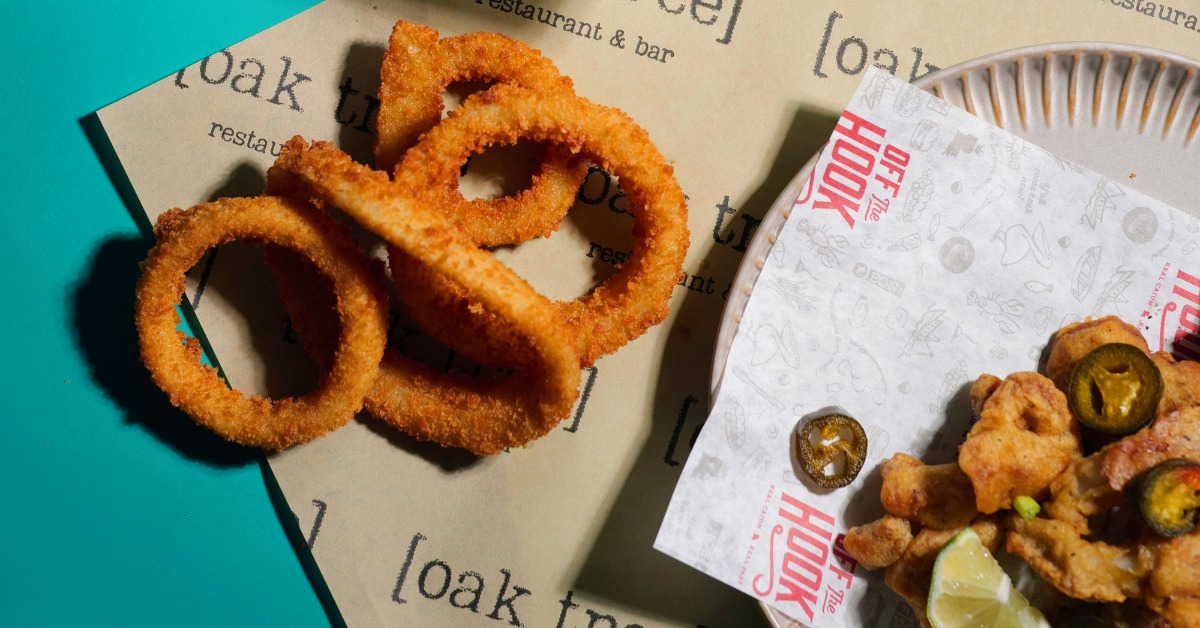
Artwork preparation influences the quality of the finished food wrap. Even an appealing design can lose definition when files contain low-resolution graphics or unsuitable formatting. Vector artwork provides flexibility because designers can resize graphics without sacrificing sharpness. Clear lettering and appropriately sized design elements also contribute to a professional appearance.
Before submitting artwork, businesses should review their logo files and confirm that the design matches their intended paper dimensions. Our team at CPP can explain specific file requirements and identify potential production concerns.
Proofing provides another opportunity to review the arrangement before printing begins. Purchasing teams should examine logo placement and text readability while considering how the design will look during actual food service.
Branded food wrap becomes more effective when businesses incorporate it into their broader presentation. Customers encounter packaging alongside other branded materials, making visual consistency an important consideration.
For restaurants with multiple locations, standardized artwork creates a recognizable appearance across different dining environments. Consistent packaging also gives employees a familiar presentation format regardless of where they work.
Events and hospitality venues can apply similar principles. Custom tray liners or food wraps featuring event-specific artwork complement an established identity while giving the occasion its own visual character.
Businesses should also consider how packaging appears in customer photographs. Clear graphics and recognizable branding remain visible when customers share images of their meals, extending the design’s presence beyond the dining location.
Turning creative artwork into practical packaging requires communication between the business and Custom Packaging & Products, Inc. Material specifications, production quantities, and artwork requirements all influence the final result. At Custom Packaging & Products, we manufacture custom-printed food-safe papers in-house in Florida and work with businesses seeking reliable packaging solutions. Our team supports short-run orders and larger programs, offering practical guidance throughout the customization process.
We understand that designing branded food wrap that stands out involves balancing appearance with everyday performance. Whether you’re developing packaging for a restaurant opening or updating an established brand, our team will discuss suitable materials and printing options for your needs.
Contact Custom Packaging & Products to review your branded food wrap ideas and request a custom quote. We’ll work with you to create packaging that reflects your business while supporting the demands of food service.