
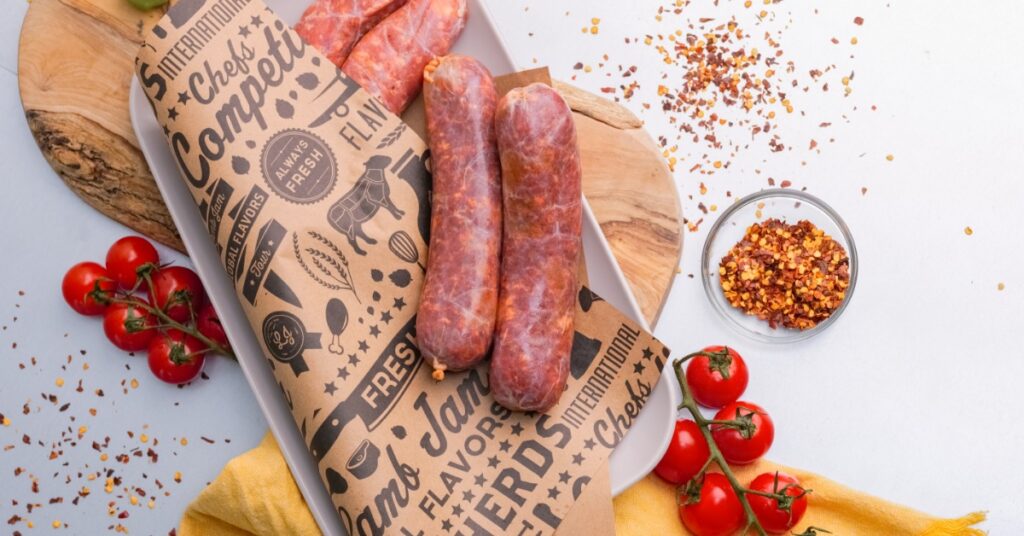
Selecting the ideal paper for food packaging involves more than finding a material that fits your products. Restaurants, butcher shops, and specialty food retailers need packaging that supports food handling while presenting their brands professionally.
Butcher paper and freezer paper serve different purposes, and understanding those differences makes purchasing decisions easier. Choosing the right custom butcher paper or freezer paper depends on how your business prepares, stores, and presents food.
Although butcher paper and freezer paper share similar applications, their construction affects performance. Butcher paper typically consists of durable, uncoated paper that supports wrapping fresh meats, lining food trays, and preparing products for customer pickup. Its breathable nature makes it useful for applications that don’t require an extended moisture barrier.
Freezer paper generally features a protective coating on one side that limits moisture transfer during frozen storage. The coating creates a barrier between food and surrounding freezer conditions, reducing air exposure when employees wrap packages correctly. Businesses should consider storage duration before selecting either material.
Different food products create different packaging demands. Fresh meat, prepared sandwiches, and frozen portions require materials that suit their handling conditions. Businesses should determine whether employees will use custom-printed paper for immediate service, refrigerated holding, or freezer storage.
For example, a butcher shop may use traditional butcher block paper with personalized printing to wrap fresh meat for same-day purchases. A restaurant might prefer custom-printed butcher paper for serving barbecue, while a specialty retailer may need freezer paper for individually packaged frozen products.
Paper weight affects durability and handling during food preparation. Lightweight materials work for simple wrapping tasks, while heavier papers offer greater strength when employees handle substantial portions.
A busy barbecue restaurant may prefer sturdier food paper that withstands frequent folding and contact with food. Butcher shops packaging larger cuts should consider whether their selected material maintains its integrity throughout handling.
Businesses should discuss available custom-printed paper weights with the experts at Custom Packaging & Products, Inc. Matching paper weight to intended use supports efficient packaging without excessive material costs.
Moisture resistance becomes particularly important when businesses package foods containing natural juices or prepare products for extended storage. Standard butcher paper allows some moisture movement, making it suitable for certain fresh-food applications.
Freezer paper uses its coated surface to create a moisture barrier that supports frozen storage. Proper wrapping remains essential because loose folds or exposed edges can allow air to reach food.
Businesses should also distinguish between grease-resistant and grease-proof materials. Grease-resistant paper slows oil penetration, while grease-proof paper offers stronger resistance under appropriate conditions.
Choosing suitable barrier properties depends on the product rather than packaging terminology alone. Discussing food characteristics with the knowledgeable team at CPP makes it easier to identify appropriate food wrapping materials.
Custom-printed paper dimensions influence how quickly employees package food and how much material each order consumes. Sheets that are too small require additional wrapping, while oversized sheets create unnecessary waste.
Restaurants and food retailers should evaluate their most frequently packaged items before choosing paper dimensions. For instance, a sandwich counter will likely need smaller sheets than a butcher shop wrapping large meat cuts. Businesses can assess paper sizing requirements by considering several practical factors, including:
Operations with several menu categories may benefit from ordering multiple sheet sizes. Standardizing dimensions across locations can also simplify purchasing and maintain consistent presentation.
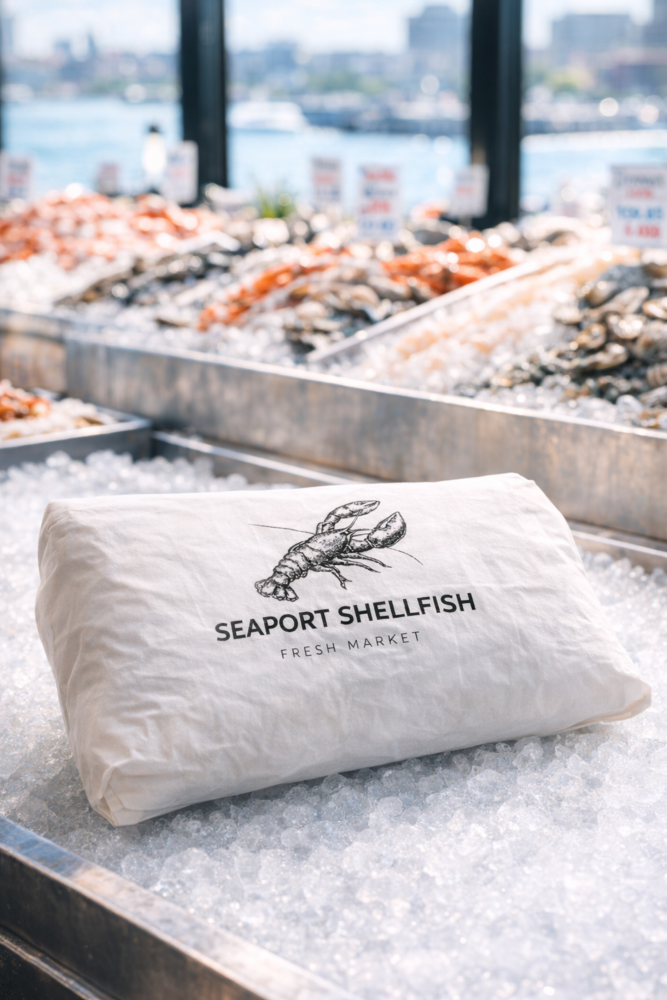
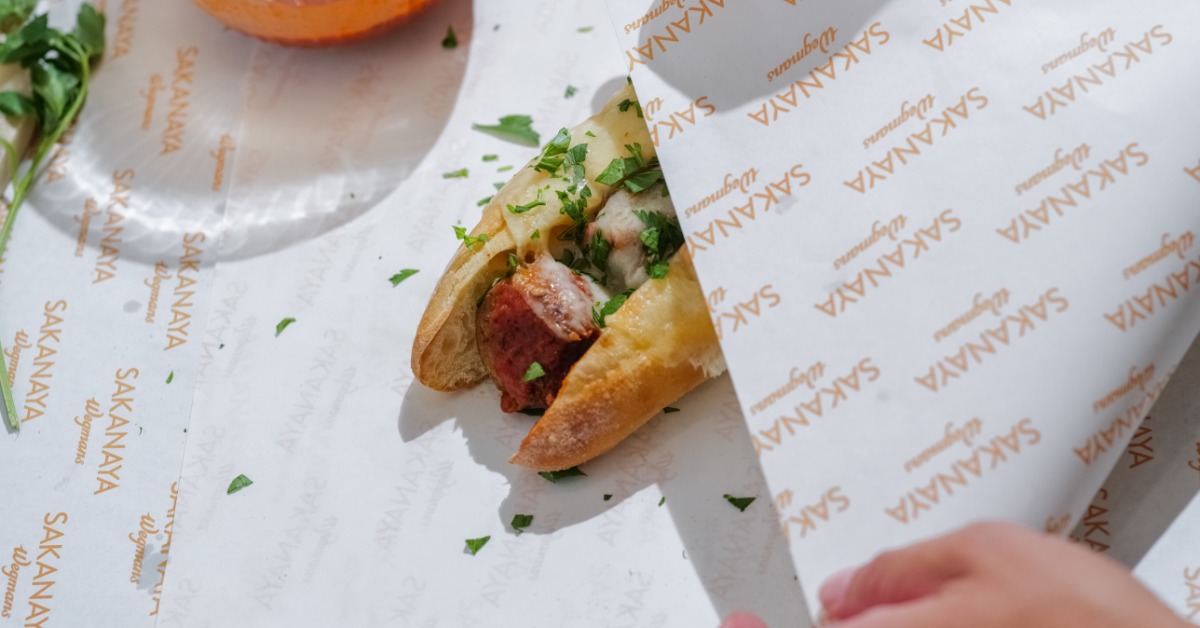
Food packaging creates another opportunity to communicate a business’s identity. Custom printing transforms everyday butcher paper into a recognizable branded element that customers encounter during pickup, delivery, or dine-in service.
Restaurants can incorporate logos or signature patterns that complement their presentation. Butcher shops and specialty retailers can use printed packaging to reinforce their professional image without relying exclusively on external labels.
Color selection deserves attention during design. Simple artwork with strong contrast creates a clear visual impression, particularly when employees fold paper around irregularly shaped products. Paper color, ink coverage, and design placement influence whether customers recognize the branding after wrapping. Consistent artwork across custom-printed paper products also creates a cohesive customer experience.
Food-contact suitability should remain a priority when choosing packaging materials. Businesses need paper that meets their intended food applications, particularly when products contain moisture or grease.
Not every paper type suits direct contact with every food. Some materials perform well with dry products but require additional barriers for foods containing substantial oils or liquids. Businesses should also confirm whether freezer paper coatings suit their intended storage conditions.
Printing introduces another consideration because artwork placement and ink selection must align with food-contact requirements. Purchasing teams should communicate their applications clearly before approving production so CPP can recommend appropriate food wrap materials.
Custom-printed paper purchasing requires balancing inventory availability with practical storage capacity. Restaurants with steady demand may prefer to set up recurring orders, while seasonal venues or event operators might need quantities that reflect specific service periods.
Small businesses should evaluate minimum order requirements before committing to custom printing. Larger hospitality groups benefit from coordinated purchasing across locations, especially when consistent branding matters. Artwork approval, printing requirements, and order quantities affect production schedules, so businesses should begin planning before existing supplies run low and discuss rush options when deadlines are tight.
Choosing the right custom butcher or freezer paper also means considering purchasing logistics alongside material performance. At CPP, we are committed to clear, transparent communication regarding production timelines and expectations every step of the way.
Packaging decisions become easier when businesses work with knowledgeable manufacturers who understand food-service operations. Specialists in custom-printed food-safe papers will explain material differences and identify practical printing options.
At Custom Packaging & Products, we manufacture custom-printed food-service papers in-house at our Florida facility using domestically sourced raw materials. Our family-owned, veteran-owned business serves restaurants, hospitality groups, and other commercial customers nationwide.
We accommodate short-run orders and larger production programs while providing responsive communication throughout the ordering process. Our team will discuss paper specifications, artwork requirements, and production timelines to support your purchasing decisions. Contact Custom Packaging & Products to review your food packaging needs and request a quote for custom-printed paper that suits your products and represents your brand.